
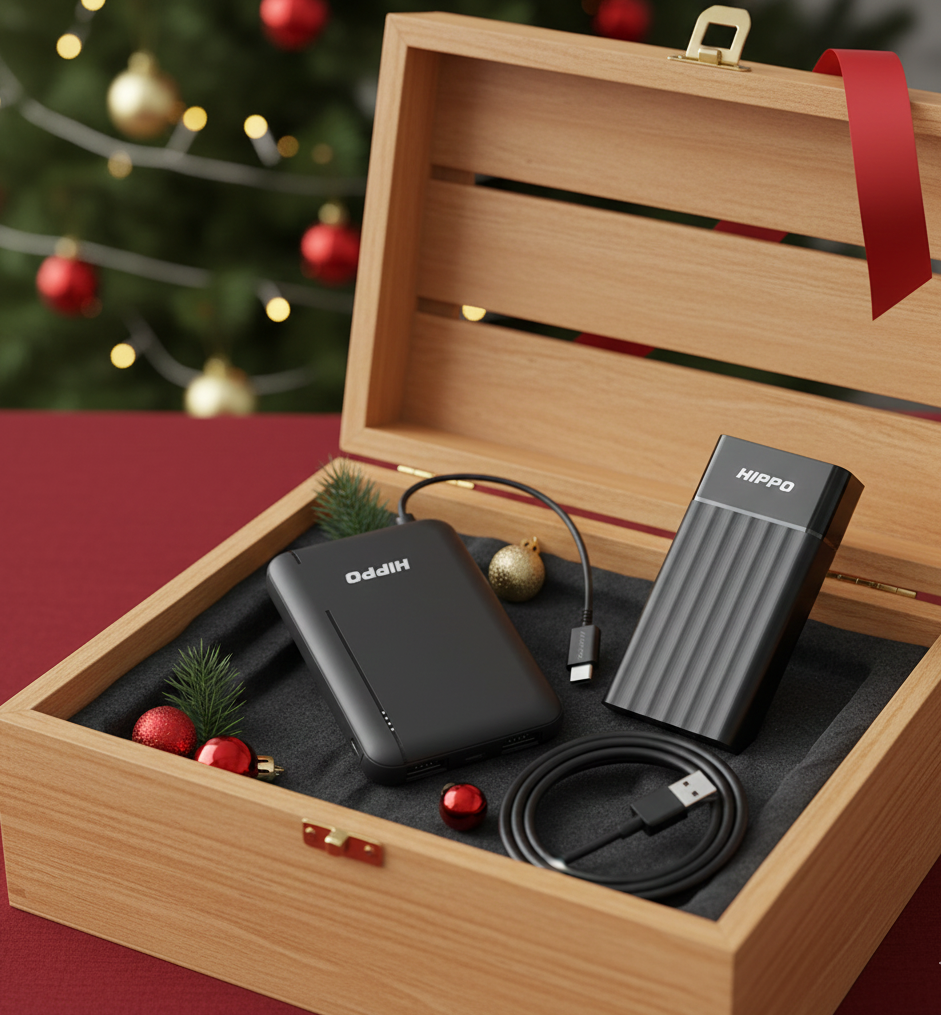
In today’s mobile world, a power bank is an essential accessory. It keeps our devices charged on the go, but with the market flooded with options, how do you ensure you’re getting an original power bank and not a cheap, potentially dangerous counterfeit? Fake power banks often have inflated capacity claims, poor build quality, and lack essential safety features, making them a fire hazard or simply ineffective.
Don’t fall victim to fakes! Here’s how to know if you’re buying an original power bank.
1. Purchase from Reputable Sellers and Official Channels
This is the golden rule. The safest way to ensure authenticity is to buy directly from:
-
Official Brand Websites: (e.g., Anker.com, Xiaomi.com)
-
Authorized Retailers: Major electronics stores, reputable online marketplaces with verified seller programs.
-
Flagship Stores: Physical stores of the brand.
Avoid buying from unknown street vendors, shady websites, or unusually cheap listings on marketplace platforms. If a deal seems too good to be true, it probably is.
2. Examine the Packaging and Branding
Original brands invest heavily in their packaging. Look for these signs:
-
High-Quality Printing: Crisp, clear images and text. No blurry logos, misspelled words, or faded colors.
-
Security Seals/Holograms: Many reputable brands include anti-counterfeit features like serial numbers, QR codes, or holographic stickers. Check if these are present and seem legitimate.
-
Complete Information: Original packaging will clearly state the brand name, model number, capacity (mAh), input/output specifications, safety certifications (CE, FCC, RoHS), and manufacturing details.
3. Inspect the Power Bank’s Build Quality
Hold the power bank in your hand and scrutinize its physical attributes:
-
Materials and Finish: Genuine power banks use high-quality plastics or metals with a solid, even finish. Fakes often feel light, flimsy, or have rough edges, uneven seams, or cheap-looking materials.
-
Ports and Buttons: USB ports should be flush, sturdy, and well-aligned. Buttons should have a satisfying click and not feel loose or wobbly.
-
Brand Logo: The logo should be perfectly printed or embossed, not a sticker that can be peeled off. Check for any slight variations in the logo design compared to the official brand.
4. Check for Serial Numbers and Verification
Many brands provide ways to verify product authenticity online:
-
Unique Serial Numbers: Locate the serial number on the power bank and its packaging. Go to the manufacturer’s official website and look for a product verification page. Enter the serial number to confirm its authenticity.
-
QR Codes: Scan any QR codes on the packaging or device. It should lead you to the official product page or a verification link, not a generic shopping site.
5. Compare Specifications and Performance
Counterfeit power banks often exaggerate their capacity.
-
Real Capacity: A 20,000mAh power bank, for example, should be able to charge a 4,000mAh phone roughly 3-4 times (accounting for efficiency loss). If it only charges it once, it’s likely fake.
-
Weight: High-capacity power banks contain dense battery cells and should feel substantial. If a high-capacity power bank feels unusually light, be suspicious.
-
Charging Speed: Original power banks will often support fast charging technologies (if advertised) and deliver consistent, efficient power. Fakes may charge slowly or inconsistently.
6. Read Reviews, But Be Wary of Fakes
Before buying online, read customer reviews. Look for patterns in complaints about authenticity, performance, or safety. However, be aware that some fake products might have fake reviews as well. Stick to reviews from verified purchasers on reputable platforms.
The Dangers of Fake Power Banks
Beyond just poor performance, fake power banks pose serious risks:
-
Fire and Explosion: They often lack proper overcharge, over-discharge, short-circuit, and overheating protection, making them a potential fire hazard.
-
Damage to Your Device: Inconsistent voltage or current can damage your phone’s battery or charging circuitry.
-
Wasted Money: You pay for a product that doesn’t deliver on its promises and might quickly fail.



Leave a Reply